Cases from across Europe

The biorevolution is already underway. Europe's biosolutions sector has a variety of innovations that can help solve some of the world's greatest challenges, ranging from more sustainable, competitive food production to new, bio-based materials. We share with you a selection of cases that show how great the impact of unleashing biosolutions can be.

Existing innovative biosolutions and the companies who produce them can make Europe's biorevolution happen. Over decades, we have been sowing the seeds for and shaping this revolution. Now, we need to create the best possible conditions for biosolutions companies to ensure that the coming biorevolution will be truly European. We want the companies that were born in Europe to grow here on the continent instead of elsewhere.

Currently, we risk missing out on opportunities because of regulations that have been designed with fossil-based solutions in mind. Products and solutions that are based on natural materials and biological processes are stalled as they wait for approval. At the same time, the European system for regulatory approval and renewal is the slowest in the world. This situation risks driving companies and researchers out of Europe, and with them the chance for Europe to lead the biorevolution.

Our case catalogue titled "Growing Europe's Competitive Edge" collects inspiring biosolutions cases from across the European continent.

Here, we share illustrative examples of what the sector has to offer the world. The cases also show the obstacles European innovators face in their efforts to create new solutions based on time-tested techniques from nature’s own toolbox.

Food & Nutrition

dsm-firmenich

The Swiss-Dutch company dsm-firmenich uses biotechnology to make the production of HMOs more efficient and sustainable for infant formula at an industrial scale. Here is how it works: dsm-firmenich uses a dedicated microorganism that has been subject to extensive research and checks to ensure its safety. Thanks to gene technology, the microorganism has been tailored to produce specific compounds: in this case, HMOs. The production is achieved through precision fermentation, which is a process through which microorganisms, such as bacteria, are fed with carbon sources, such as sugars, to produce other molecules (in this case, HMOs). This happens within an isolated and controlled environment in which temperature, pH, feeding material, and other factors are strictly controlled.

Novonesis

The Danish company Novonesis produces beneficial bacterial cultures (food cultures) that optimize the fermentation process. Fermentation is an ancient way to keep food fresh for longer. It is a natural way to reduce spoilage and contamination with “bad” bacteria. This way, it is possible to enhance the quality, freshness and shelf-life of the final product. The food cultures create an extra protective hurdle against “bad” bacteria in, e.g., meat and dairy products, as well as in ready-to-eat foods, during processing, transportation, and storage, and even after the product has been opened. The use of selected food cultures can play an important role in achieving the EU goals related to the reduction of food waste and CO2-emissions.

Revyve

The Dutch food-tech company Revyve creates high-performing texturizing ingredients from brewer’s and baker’s yeast – natural, animal-free alternatives that replicate the functionality of eggs in a wide range of food applications. The core of their technology is a process that partners with breweries and yeast producers to source high-quality yeast. They use a relatively gentle mechanical and thermal treatment to open the yeast cells and extract the proteins and fibres, without using enzymes or solvents. This preserves the natural functionality of the proteins, including their ability to gel, emulsify, stabilize, and bind. Unlike many plant-based egg replacers that rely on blends and additives, Revyve achieve egg-like functionality with a single ingredient: yeast protein. This enables cleaner labels, greater functionality, and easier integration into existing production processes.

Those Vegan Cowboys

The Belgian company Those Vegan Cowboys has built a stainless steel cow in their milk lab in Ghent, Belgium. You may call her Margaret, like that other Iron Lady who made European history. By using the age-old art of fermentation, Margaret serves the world real classic grass-fed cheese with the help of microbes. The process is called precision fermentation: a technology 50 years in the making. Margaret’s microorganisms are trained to express the casein milk proteins. Caseins are then produced at large scale by grass-fed fermentation. The result is animal free cheese made by a stainless steel cow. Free the cow from cheese production, and the environmental impact becomes practically zero – a major leap forward for the entire industry.

Yeastime

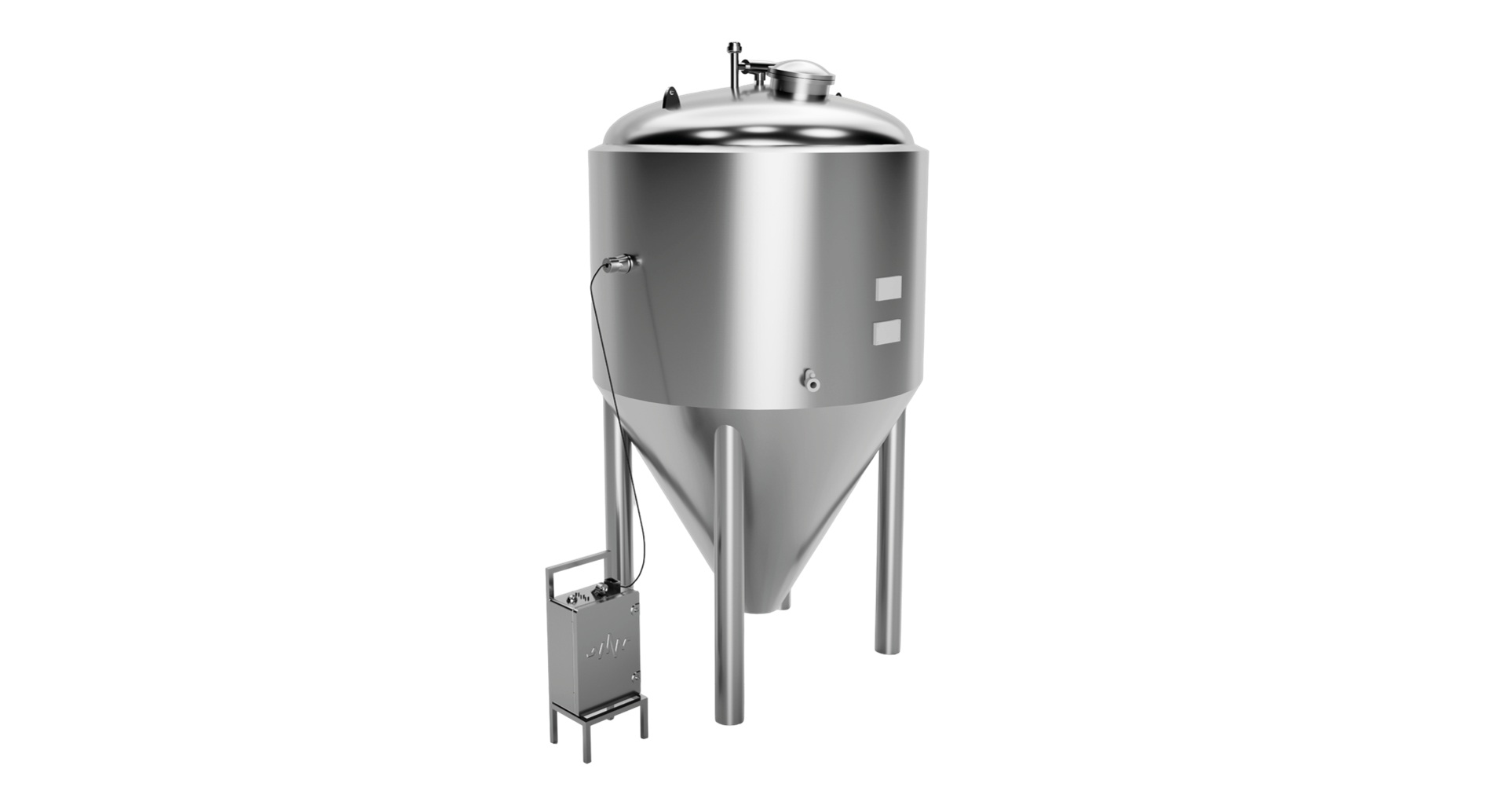
The Italian company Yeastime has developed a device that improves fermentation without changing the production process or the final product. A small device is attached to the outside of an existing fermentation tank, where it sends gentle ultrasound waves through the liquid. These waves stimulate the yeast and microorganisms carrying out fermentation. The result is shorter fermentation times, more consistent production and improved yields. A digital platform lets producers monitor each batch in real time. Originally developed for breweries, the technology works for any liquid fermentation, including the production of sustainable proteins, dairy alternatives, and a wide range of bio-based food ingredients.

Biomaterials

AustroCel Hallein

In Austria, the company AustroCel Hallein is able to use up to 98 percent of the industrial wood residues and transform them into high-quality products. How? By developing one of Europe’s most advanced integrated biorefineries, where biomass residues – in this case wood – are utilised down to the last fibre. Here the wood is turned into substances like cellulose which can be used in textiles, construction, pharmaceuticals, and food. In this circular way, the company replaces fossil raw materials, reduces emissions, and strengthens regional value creation. From another wood component called lignin, AustroCel Hallein has developed the world’s first 100 percent biological hydrogel made from wood in collaboration with the start-up AgroBiogel GmbH. The biodegradable hydrogel helps soil keep water during dry periods and thereby supporting farmers worldwide to facilitate growth on dry soils.

BRAIN Biotech AG

In Germany, a joint development program named ZeroCarbFP funded by the German government has been established to answer the question: what if we were able to convert the carbon from waste streams into valuable products – into a functional biomass? It uses biotechnology to identify enzymes and microorganisms that help utilise and transform waste streams into sources of raw materials. The best candidates are then optimised to prepare them for application in industrial production. The German company BRAIN Biotech is in charge of developing a biotechnological process that utilises biogenic CO2 from the production plants of Südzucker AG. The aim is to stabilise it for use as a raw material, convert it into valuable products, and eventually bring these processes to pilot scale.

Epoch Biodesign

The UK company Epoch Biodesign has developed a technology that transforms plastic and textile waste into infinitely recyclable materials and everyday chemicals. By combining generative AI, biology and chemistry, Epoch engineers “biological machines” known as enzymes. These enzymes catalyse rapid, low-energy chemical reactions to break down long plastic molecules into their chemical building blocks, which can be used to make virgin-quality recycled materials again and again. With no compromise on cost or quality, Epoch Biodesign provides an end-of-life solution for complex pre-and post-consumer waste and is paving the way for a more sustainable, less polluted future in which production can be decoupled from fossil carbon extraction.

Futerro

With over 30 years of experience, The Belgian company Futerro develops and produces bio-based platform molecules such as lactic acid and lactide as well as PLA (polylactic acid), which is a sustainable, bio-based, and circular polyester. How? By converting sugar from crops like corn and wheat into lactic acid using fermentation, which is then polymerized into PLA. A process, that harnesses CO₂ captured by renewable resources through photosynthesis. Lactic acid and lactide can serve as a base for the chemical industry, enabling the production of applications such as green solvents, natural preservatives, and ingredients for the food and feed sectors. Meanwhile, PLA is able to replace traditional fossil-based plastics in many different applications like textiles, 3D printing, food packaging, films and more. Futerro has also developed the LOOPLA® technology, a system that can break used PLA materials back down into its original building blocks, lactic acid. This allows the material to be recycled again and again, forming a truly circular model where nothing goes to waste.

Visibuilt

The Danish biotech startup Visibuilt can support the asphalt industry by replacing the fossil-based binder bitumen with their fungi binder, visiBIT, derived from nature’s own binding agent: mycelium. Mycelium is the natural root-like structure of very small fungal threads that grow underground, into a resilient net, through the soil. visiBIT is developed through fermentation, where mycelium is grown on organic side streams inside a bioreactor. The process is remarkably energy efficient. Traditional asphalt production with bitumen requires heating of rock materials up to 200 degrees Celsius, while mycelium-based asphalt can be constructed at room temperature. This means the potential energy savings are huge. Once applied with rocks, visiBIT develops into a strong network that binds the stones tightly. Visibuilt’s innovative solution leverages the potential of fungi. When using visiBIT, it is possible to reduce the road industry’s dependency on fossil fuels, as it offers an alternative to bitumen. Existing bio-based solutions often only partially replace bitumen, typically acting as fillers rather than binders, but with visiBIT, the road industry can be transformed.

Bioagriculture

Bayer Crop Science

Bayer is co-developing a solution that based on beneficial genome edited microbes can capture atmospheric nitrogen and make it available to cereal crops. Once applied to the field, it is designed to provide nitrogen throughout the growing season and perform effectively under different farming conditions. The formulation is designed to remain stable during storage and distribution, making it practical for farmers to handle and apply. By helping plants access nitrogen more efficiently, the technology reduces the need for synthetic fertilizers while maintaining productive crop production.

BioCare

The German company Biocare develops biological plant protection solutions that use natural enemies to control pests. For example, tiny parasitic wasps target the eggs of moth pests, preventing them from developing in agriculture. Instead of harmful pest larvae, beneficial insects emerge; the Trichogramma hatches. Another solution, ATTRACAP®, works in the soil against wireworms. It emits CO₂ to attract larvae, which are then infected by a soilborne fungus, reducing infestation. These solutions protect crops such as maize, vegetables, potatoes, and asparagus. Farmers benefit from more stable yields and improved crop quality, while the environment benefits from reduced use of chemical pesticides.

BioFerm'Tech

The French company BioFerm’Tech has developed an on-farm technology that makes microbials more affordable for farmers. Instead of manufacturing products in large central facilities and transporting them, BioFerm’Tech produces its microbial strains using a standardised module installed close to farmer communities. This decentralised approach removes costly formulation and logistics steps that can account for up to 70% of the production costs. It also enables the production of multiple microbial strains using the same equipment. As a result, BioFerm’Tech can offer microbial products at less than half their current market price, unlocking biological crop inputs as a profitable input for large-scale farming.

Biotalys

The biobased crop protection product from the Belgian company Biotalys, a biofungicide named EVOCA™, is based on proteins - the core ingredient of nature. The proteins are produced through precision fermentation, a biological process that utilizes mainly sustainable and natural resources. It is a production method with great potential to become a sustainable alternative to conventional chemical pesticides. This is how the proteins work: They are mixed with water and then sprayed on the crop. Here they interfere with the cell wall of the fungus, which bursts, and the fungus dies off. The proteins themselves are fully biodegradable, turning into amino acids that could even be beneficial for soil life.

Koppert

The Dutch company Koppert has more than 55 years of experience in the production of natural enemies and microorganisms. Found in nature, Koppert’s products work as biological solutions for farmers and growers to protect their crops against pests and diseases. One example is Mycotal – a fungus that can attack and kill pests. Mycotal works as a bio-insecticide that prevents whiteflies and several other pests in vegetables, ornamentals, nursery trees, and soft fruit in protected cultivation. Bio-insecticides like Mycotal, which is already available on the market, originate from nature. They provide farmers and growers with tools to control pests and diseases in a sustainable and eco-friendly way.

Nando

Nando is a leading European biotechnology company focused on advancing innovative solutions for the agricultural sector. Leveraging one of Northern Europe’s most advanced private R&D infrastructures, the company translates cutting-edge biotech research into high-value agricultural inputs. With over 20 years of continuous growth, a portfolio of more than 50 proprietary products, and a commercial presence in over 40 countries, Nando delivers crop solutions tailored to diverse geographies and farming systems. By integrating advanced R&D capabilities, state-of-the-art manufacturing, and a unique scale of validated field efficacy, Nando serves as a strategic partner, driving innovation, improving productivity, and supporting sustainable agriculture worldwide.

Nordic microbes

The Danish company Nordic microbes develops biological crop protection products based on naturally occurring microorganisms. One example is WINGMAN®, a microbial biofungicide in development that uses beneficial bacteria to protect crops against major fungal diseases. WINGMAN® provides farmers with a biological alternative to conventional fungicides and has shown promising results against diseases in cereals and potatoes. By using naturally occurring microorganisms for disease control, solutions like WINGMAN® have the potential to reduce agriculture’s reliance on conventional chemical crop protection while helping farmers protect their yields.

Resurrect Bio

The UK company Resurrect Bio develops disease-resistant traits for crops to withstand harmful pathogens. By studying how plant diseases evade a crop's natural immune system, its scientists identify genetic changes that can restore or strengthen immunity. The company provides seed breeders with precise resistance blueprints that can be deployed through conventional breeding, precision breeding or gene-editing programmes. Combining advanced computational analysis with laboratory validation, Resurrect Bio helps accelerate the development of resilient crop varieties, such as spinach, potato, tomato, and wheat. This helps breeders reduce losses caused by plant diseases.

RethaiN

The Italian company RethaiN has developed a biosolution that converts excess nitrogen from biogas digestate into valuable microbial biomass. First, ammonia (NH₃), the main form of mineral nitrogen in digestate, is recovered using an energy-efficient process requiring neither heating nor chemical additives. The recovered ammonia is fed to naturally occurring microorganisms in a controlled fermentation process. As microorganisms grow, they convert nitrogen into protein-rich and high-value microbial biomass. Instead of becoming a waste stream, nitrogen is transformed into a valuable bio-based product that can be used in agriculture. This helps biogas operators extract more value from existing resources while supporting a more circular bioeconomy.

Rock Flour Company

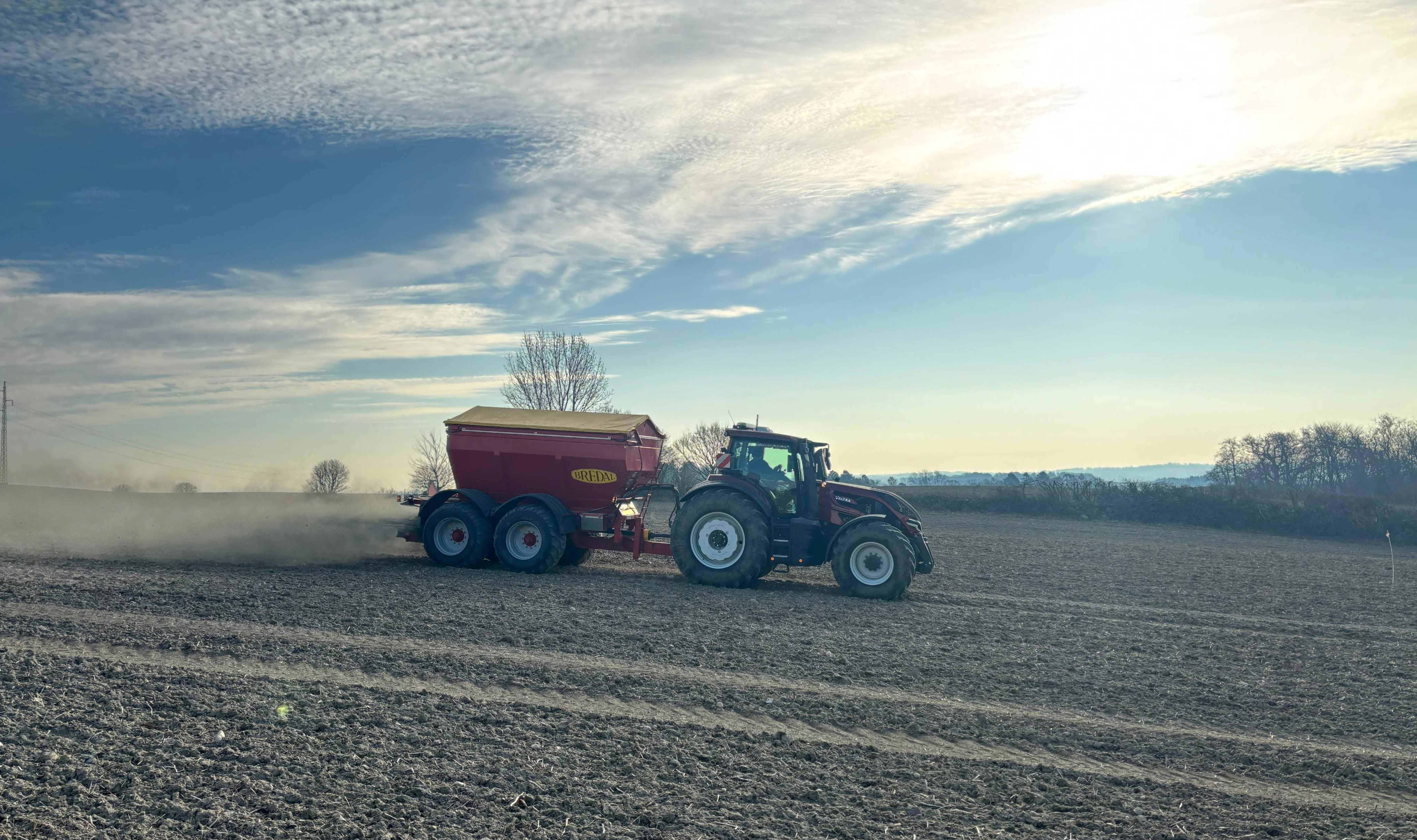
The Danish company Rock Flour Company transforms Greenlandic Glacial Rock Flour (GRF) into a natural solution for agriculture and climate action. GRF is formed when the Greenland ice sheet naturally grinds bedrock into ultra-fine mineral particles. When applied to agricultural soils, the material helps crops use nitrogen more efficiently while reducing nutrient losses to the environment, delivers essential macro- and micronutrients and improves soil performance. At the same time, GRF permanently removes CO₂ through a natural process known as enhanced rock weathering, where minerals react with carbon dioxide and lock it away in stable forms. With billions of tonnes available and natural replenishment occurring every year, Greenlandic rock flour offers a scalable European source of both agricultural value and long-term carbon removal.

SenseUP Biosciences

The German company SenseUP develops biological crop protection based on RNA technology. RNA is a natural molecule found in plants, animals, and microorganisms. Its platform uses RNA (dsRNA) molecules​ ​to target​ and disrupt​ specific pests, fungi, and viruses. The products are produced through fermentation using renewable resources and can be applied with existing farming equipment. Unlike chemical pesticides, this approach identifies and develops the optimal biopesticide for each specific pest. SenseUP’s technology addresses key barriers that have limited the uptake of RNA-based crop protection, including production cost and field performance. This empowers farmers to protect their crops effectively while reducing reliance on chemical inputs and minimizing ecological impact.

Syngenta

Swiss-based global company Syngenta has distributed a bio-fungicide, TAEGRO®, developed by Danish company Novonesis which will help reduce dependencies on conventional chemical pesticides. Based on specific strain bacteria endospores that are activated when mixed with water, TAEGRO® can protect fruits and vegetables with multiple modes of action that complement each other. Farmers - organic as well as conventional – can use the bio-fungicide TAEGRO® against broad spectrum diseases such as powdery mildews, botrytis, early blight, etc. This provides them with versatile and efficient protection for many crops cultivated throughout Europe, including grapes, berries, fruiting vegetables like tomato and cucurbits, as well as leafy and root vegetables.

Traitomic

The Danish company Traitomic helps partners discover genetic traits that improve crops and microbes. Its FIND-IT platform builds on conventional, non-GMO breeding methods, paired with fast, precise DNA screening to identify desirable genetic variations. The platform is applicable to virtually any crop species, from staple grains to fruits and vegetables, making it a flexible tool across the agricultural value chain. This enables crops with better yields, improved nutritional value, and greater resilience to climate stress and disease, helping European farmers and food producers move faster from discovery to field and strengthening the competitiveness of European agriculture.

Industrial scale-up platforms

21st.BIO

The Danish company 21st.BIO was founded to make industrial-scale precision fermentation technology accessible for bulk protein production. This enables biosolutions companies across the globe to successfully bring proteins to market faster and at a competitive cost, while removing significant risk from their ventures in precision fermentation. With a license to use Novonesis technology, 21st.BIO leverages its precision fermentation technology platform to develop highly productive microbial strains and optimal fermentation processes, plus offer production upscaling guidance to its customers. 21st.BIO is active across the nutrition, food, biomaterials, agriculture and even mining sectors.

Bio Base Europe Pilot Plant

The Belgian company Bio Base Europe Pilot Plant is accelerating biobased innovation. With its multi-purpose, state-of-the-art pilot- and demonstration facility in Ghent, BBEPP serves as a service provider for process development scale-up and custom manufacturing of biobased products and processes. The company helps businesses bring innovative biobased products from the laboratory stage to multi-ton scale. How? By enabling the conversion of renewable feedstocks into biochemicals, biomaterials, food and feed ingredients, cosmetics, biopesticides, biofuels, and other bioproducts using technologies such as precision and biomass fermentation, downstream processing, green chemistry and biomass pretreatment. Since its establishment in 2008, BBEPP has grown to more than 170 employees and has successfully conducted over 1000 bilateral projects.

Biosphere

Biosphere is a key player in the Italian industrial biotechnology sector and works as a technology platform, delivering deep tech along with research-based scaling facilities in which other companies can improve and test their products. Biosphere provides research and development along with scale-up services in the field of fermentation and industrial biotechnology, supporting customers and partners in the industrialization of their projects. Turning today’s chemical industry into a biobased one requires strong collaboration between scientists and the industry. Biosphere is a key facilitator in this collaboration. Biosphere is also known for its development of tailor-made enzymes and microorganisms for a variety of market sectors.

Protein & Ingredient Design

Aerbio

What if CO₂ could feed the world? Aerbio has developed Proton™, a protein ingredient produced by microorganisms that convert CO₂ into high-quality protein through a fermentation process. Instead of relying on agricultural land and traditional feed crops, the technology uses carbon dioxide as a resource to create a nutrient-rich protein with all essential amino acids, good texture, and neutral taste. The result is a stable, scalable source of protein that can be integrated into existing feed value chains with minimal adjustments. Proton™ is particularly suited for aquafeed, pet food, and animal starter feed, helping producers access alternative protein sources while reducing dependence on conventional agricultural inputs. The protein ingredient is already approved in the EU with a defined regulatory procedure for US approval.

Cradle

Founded in December of 2021, Cradle is based in Amsterdam, The Netherlands and Zurich, Switzerland with a team comprised of machine learning and biotech research specialists with experience at many of the world’s leading technology and biotech companies, including Google, Zymergen, Novartis, Uber, Meta, Deepmind and Perfect Day. Cradle’s mission is to make engineering biology easier, quicker, and more cost-effective. Its machine-learning platform helps scientists to design better proteins, faster and more successfully, speeding up the development of new therapeutics and bio-based products such as enzymes, antibodies and bio-based materials and chemicals. Cradle uses language-based generative AI to design functional proteins, and it doesn’t stop there. Every model is tested in Cradle’s own custom-built lab, closing the feedback loop between in silico design and real-world experimentation.

Twig

Combining AI with biology, the British ingredient company Twig is speeding up the development of and improving sustainability in everyday ingredients. Twig can make hundreds of different ingredients in a clean and sustainable way by using microbes as miniscule factories. Here is how it works: Using an AI-driven system called “BioDrive” Twig is able to explore billions of possible microbe designs. It then evaluates which designs are most promising and prepares them for lab testing. Twig’s automated lab system “GrowBot” then takes the AI-generated microbe designs and grows them in plates and fermentors. With very fast, low-cost testing, it generates real-world data to identify the top-performing microbe for scaling. This ensures scalable production in large volumes, addressing a key challenge in industrial biotech. With AI, biology and robotics working together, Twig can create drop-in replacements for existing ingredients, initially focusing on the cosmetics industry, with the potential to expand into food, pharmaceuticals, and other sectors.

MicroHarvest

The German company MicroHarvest produces high-quality protein through biomass fermentation, a natural process in which microorganisms convert plant-based by-products into nutrient-rich biomass. Fermentation is one of the oldest methods known to mankind, used for centuries to produce foods like beer and yogurt. MicroHarvest has optimised this well-known production process for industrial scale: microorganisms are fed with agri-food side streams, such as molasses from sugar production, and convert them into protein-rich biomass in just 24 hours. The product contains over 60% protein, a complete amino acid profile, and high digestibility. The production requires no additional farmland, is independent of seasons and climate, and emits up to 98% fewer greenhouse gases than animal protein. MicroHarvest’s protein demonstrates how fermentation-based biosolutions can strengthen Europe’s food resilience.

Biorefinery

AGRANA

Located in Austria, the company AGRANA is turning feed grains – primarily wheat – into multiple products from the same crop at their state-of-the-art biorefinery Pischelsdorf. Nothing goes to waste. The wheat starch and protein fraction are processed into starch for use in food, paper, packaging, and adhesives. The parts of the grain that are not used for starch and protein are fermented and distilled into ethanol, which is then blended into petrol to reduce emissions per liter of fuel. The CO₂ that is released at Pischelsdorf during the fermentation process is captured and liquified in a large on-site CO₂ plant built in cooperation with an industrial partner. The resulting liquid CO₂ is sold for applications such as beverage carbonation, welding, and cooling, thereby replacing fossil CO₂ sources. Thanks to the nearly closed-loop circular economy, the overall efficiency of the process at Pischelsdorf is very high. If their model is scaled and replicated, it could significantly contribute to solving several major challenges. One is climate change, where the bioethanol produced at AGRANA’s facility has been shown in life cycle analyses to reduce greenhouse gas emissions by around 80% compared with gasoline. Another is resource efficiency. AGRANA ensures that almost the entire grain is turned into valuable products – starch, protein, bioethanol, feed protein, and purified CO₂ – instead of treating crops as either food or fuel and discarding the rest as waste.